

Composting method
Open windrows or fixed troughs are different operating systems.
 WhatsApp
Compare mobile windrow turning with trough-based turning. Start with the composting method, material volume and available site.
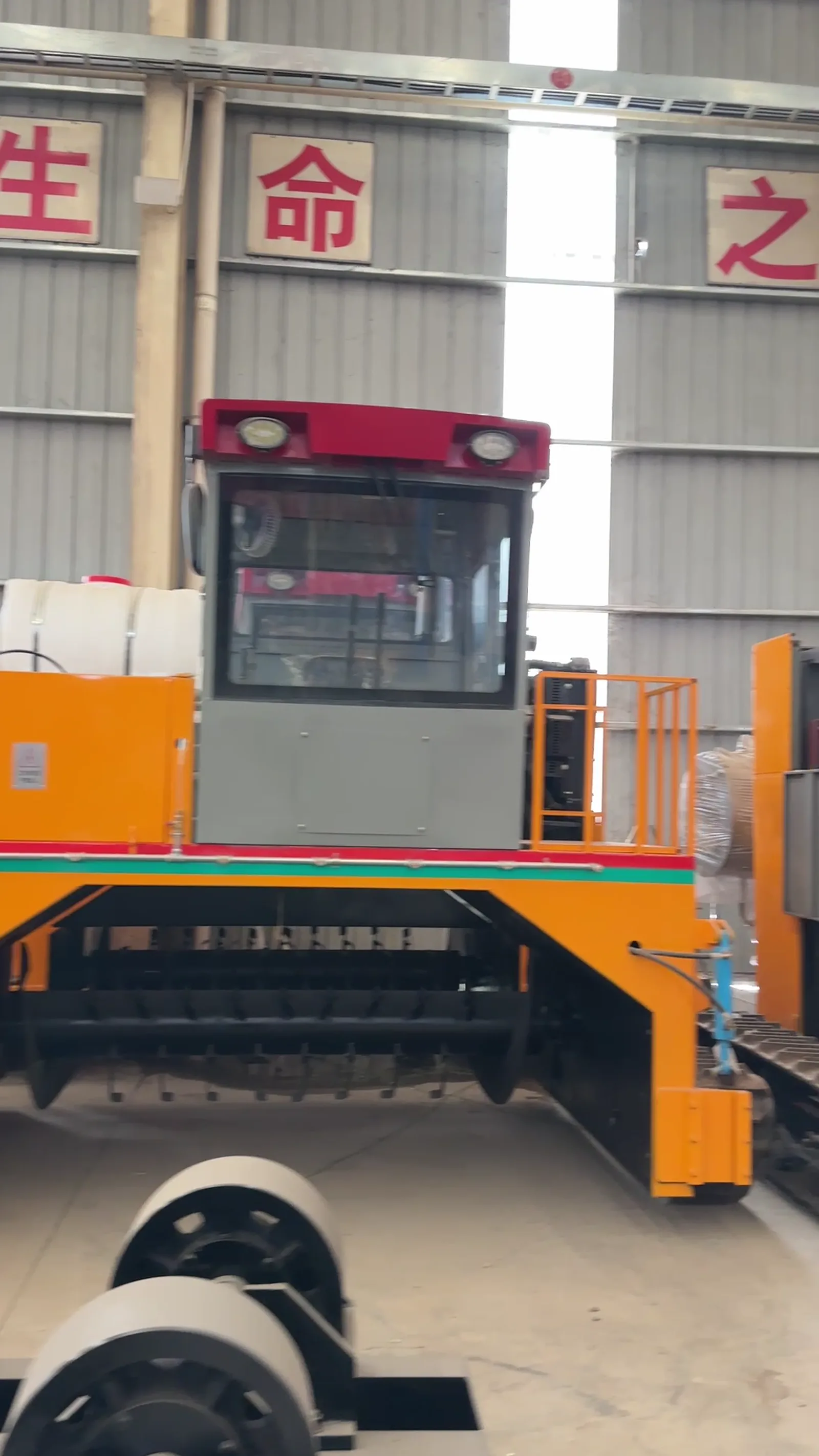
Open windrows and fixed troughs need different arrangements.
Share daily feed and the working schedule.
Measure the floor, troughs and working clearances.
Mobile movement between windrows on a suitable floor.
Operation along a fixed trough or rail-based structure.
Review civil works, transfer arrangements and material flow.
Define the composting arrangement before selecting the production stages that follow. Material condition and final product determine the downstream route.
The suitable turning method depends on how the pile is formed and moved. Wisdom needs four practical facts before narrowing the equipment route.
Open windrows or fixed troughs are different operating systems.
State daily feed volume and expected working schedule.
Share windrow dimensions, trough layout or the usable floor area.
Confirm mobile operation, rail-mounted operation and material transfer needs.
The working layout determines the better starting point. Final structure and dimensions are selected after the site is reviewed.
| Composting layout | Crawler turnerWorks across formed windrows on a suitable open or covered composting floor. | Trough / bridge turnerTravels along a fixed trough or rail-based composting structure. |
|---|---|---|
| When to consider | For mobile movement between windrows on a suitable open floor. Review the working surface, machine travel and turning area. | For material organized in constructed troughs along a fixed operating path. Review civil works, transfer arrangements and connection to the planned material flow. |
| Daily workflow | Arrange material as windrows→Turner moves through each windrow→Windrow progresses through the composting cycle | Material enters the trough→Machine works along the fixed structure→Transfer follows the trough and process layout |
| Information Wisdom needs | Windrow width and height, floor condition, material volume and operating schedule. | Trough width, depth and length, number of troughs, rail arrangement and transfer method. |
| Wisdom role | Manufactured by Wisdom. | Manufactured by Wisdom and matched to the trough and transfer arrangement. |
Site dimensions and the planned composting workflow determine how the machine should operate and transfer material.
Use the site layout and operating method to narrow the turning system before discussing a machine configuration.
Start with the composting layout and operating method. Compare the available floor, how material will move, whether civil troughs or rails are planned, and the clearance needed for daily operation.
For windrows, send width, height, length, and spacing or working clearance. For a fixed trough system, send trough width, depth if known, length, number of troughs, and the planned transfer arrangement.
Share the working-surface condition, drainage, travel clearance, windrow arrangement, and usable operating area. Photos or a simple layout help Wisdom review the equipment route without assuming site limits.
Send the raw material, approximate daily volume, current composting method, available windrow or trough dimensions, a site photo or layout, and the operating constraints you already know.
Send your material, operating requirements and site layout.