


Define the automation boundary
“Automatic” is not a complete specification. Ask where the proposed machine starts and finishes: picking an empty bag, opening it, placing it on the filling spout, filling, releasing it, or transferring it to closing. A machine that automatically weighs material is not necessarily an automatic bag-handling system.
Automation level depends on the actual configuration. List every transfer between machines and every task left to an operator. Bag replenishment, material supply, fault recovery and filled-pallet removal still need an agreed operating procedure even when the normal bagging cycle is automatic.
Compare the work, not the label
| Task | Semi-automatic | Automatic configuration |
|---|---|---|
| Bag placing | An operator presents or places the empty bag. | A bag-handling mechanism can pick, open and place compatible bags. |
| Weighing and filling | These actions can be machine-controlled. | These actions are coordinated with bag handling. |
| Bag closing | Operator assistance or downstream equipment may be needed. | Check that transfer and closing are included, not merely the filler. |
| Conveying | Confirm how the filled bag reaches closing and discharge. | Confirm controlled handover between connected modules. |
| Operator involvement | Recurring bag placement remains part of the cycle. | Replenishment, monitoring and exception handling still remain. |
| Changeover | Check adjustments at the filler and closing equipment. | Also check the bag magazine, opening and transfer mechanisms. |
Start with the actual empty bag
For open-mouth bags, automatic handling depends on the bag opening and behaving consistently. Supply actual empty bags, including liners and any variation between deliveries. Bag dimensions alone do not show how easily a bag separates from a stack, opens or remains supported during filling.
Operator-assisted placing may make sense when bag handling needs frequent attention or when you want to automate weighing and filling first. Automatic placing is worth reviewing when repeated manual bag handling is the task you need to remove and bag compatibility can be demonstrated. Neither choice removes the need to test material flow.
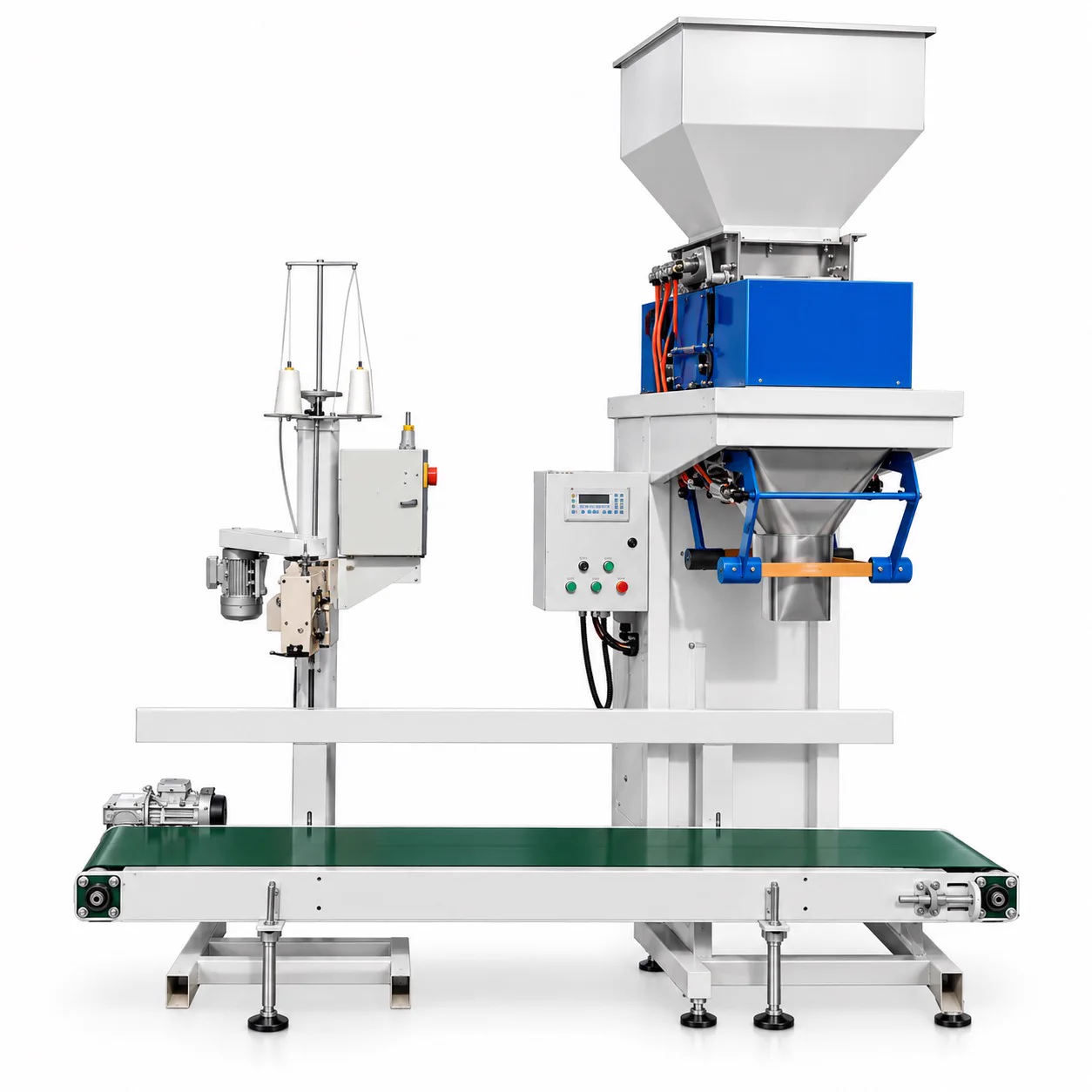
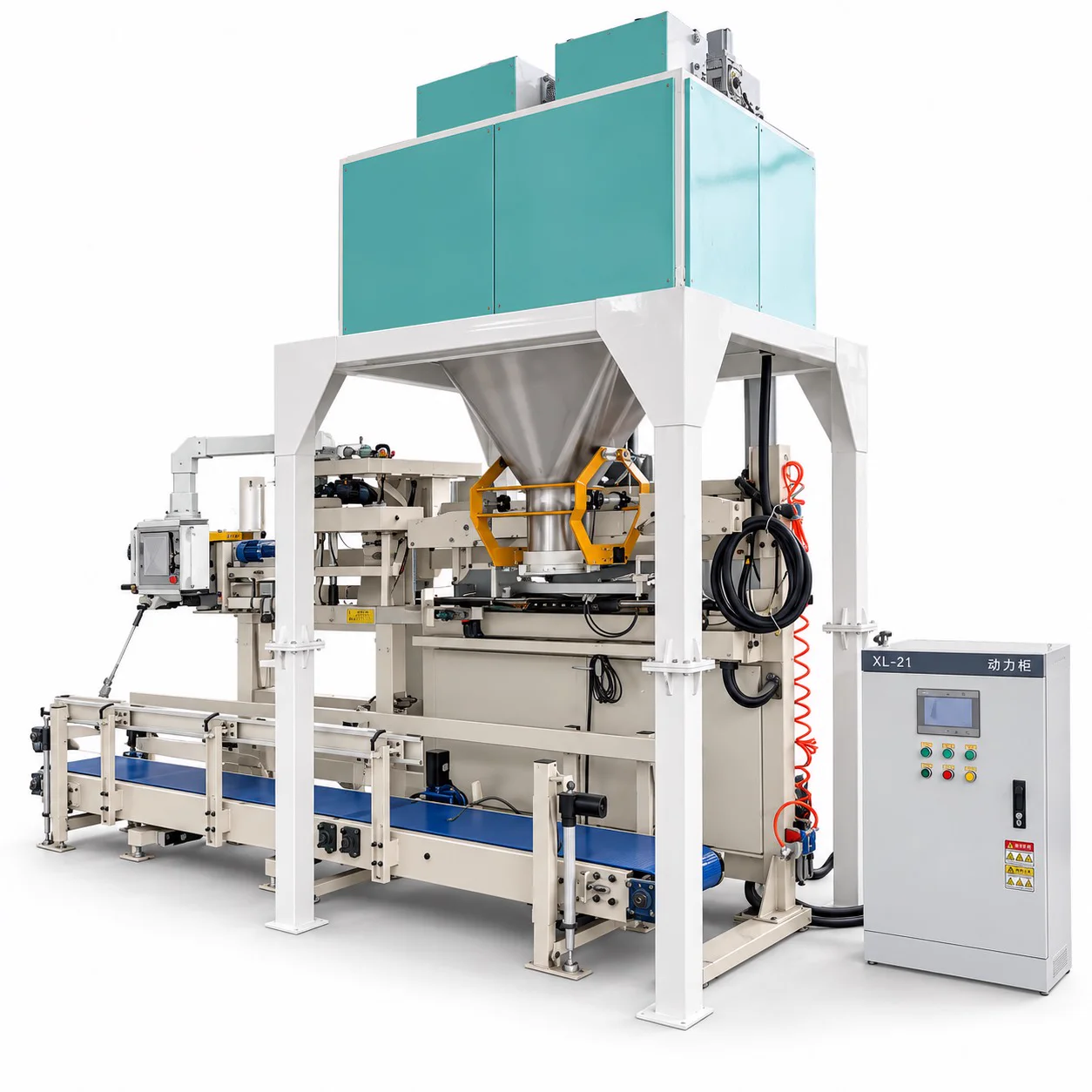
Separate filling from bag handling
The feeding method is a different decision from the automation level. Free-flowing granules, dusty powders and difficult-flow materials need different reviews of flow, dosing and discharge. Choosing automatic bag placing does not establish the right feeder or prove a weighing result.
Discuss the target bag weight and required output, then ask how the proposed combination will be checked with your material. Confirm whether the quotation includes the material supply interface, weighing unit and filling spout. Use the open-mouth selection guide for a closer look at these choices.
Follow the bag through closing and discharge
A filled open-mouth bag is not a finished package. Confirm who supports the bag, prepares its mouth and transfers it to the closing equipment. Sewing is a configuration option to discuss with Wisdom; the actual bag construction and closing requirement must be confirmed before selection.
Next, follow the bag along the conveyor. Check transfer heights, bag orientation and how interruptions are handled. If palletizing comes later, agree the discharge condition now so the bagging equipment does not create a difficult handover for the next stage.
Check the site and the whole line
Compare installation requirements, not just the machines in the picture. Leave room for empty bags, replenishment, operator access, maintenance and safe movement around the equipment. Ask which utilities, controls and upstream interfaces the selected configuration requires.
An integrated line needs coordinated start, stop and fault handling between filling, closing, conveying and palletizing. Review the complete bagging and palletizing line before deciding whether to buy a stand-alone machine or connected modules. A faster individual operation cannot by itself establish the output of the complete line.
Choose the scope you can verify
Consider semi-automatic bagging when manual bag placing is acceptable and the immediate need is controlled weighing and filling. Consider an automatic configuration when bag placement and transfer are repeat tasks you want mechanized, with compatible bags and the surrounding line ready to support it.
For either route, request a clear task list: automatic actions, manual actions, included modules and excluded interfaces. Ask what a demonstration uses and whether it represents your bag and material. A equipment illustration shows equipment form; it does not establish output, staffing or a customer installation.
Discuss your configuration.
Review bagging configurations and complete-line integration, then share your material, bag and output requirements with Wisdom.
Talk to Wisdom